
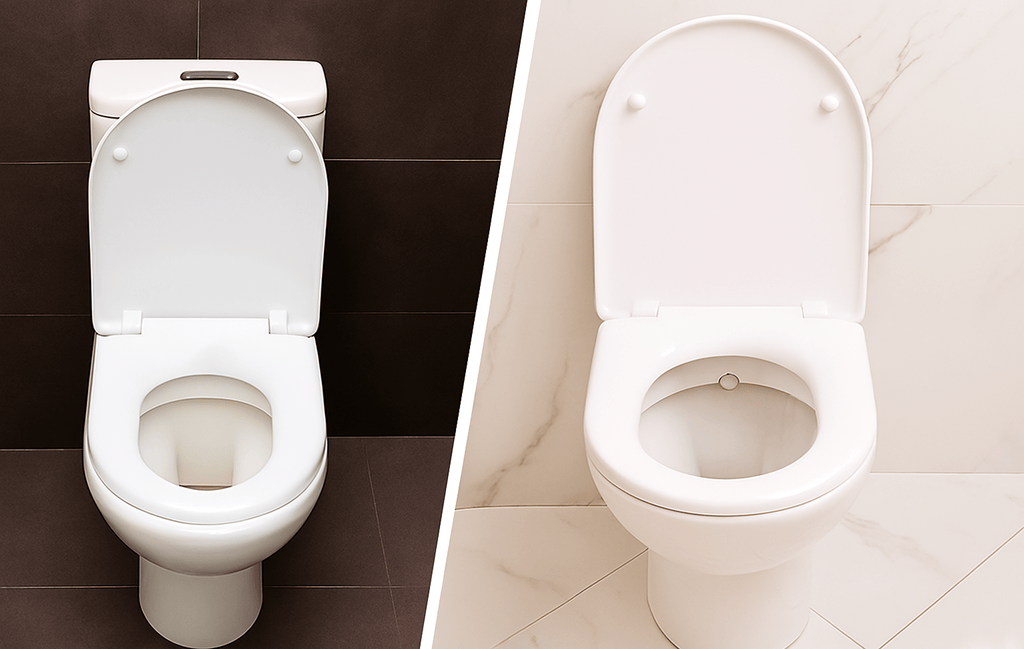
Let’s be honest: we spend a lot of time thinking about what goes into our homes, but not nearly enough time considering one of the most hardworking fixtures in them. I’m talking about the toilet. If you’re like me, you probably just want a toilet that flushes everything away efficiently, doesn’t waste ridiculous amounts of water, and, for the love of all that is holy, doesn’t clog. Trying to figure out the right one often boils down to a classic plumbing showdown: dual flush vs single flush toilet. Is one really better than the other, or is it just another way for manufacturers to complicate a simple purchase?
I recently went through this exact headache while renovating my guest bathroom, and trust me, the differences are more significant than you might think. We’re going to break down the real-world performance, costs, and yes, even the environmental bragging rights of each type. This isn’t just about saving water; it’s about avoiding those inevitable “oh-no” moments. Read on and discover the truth behind the dual flush vs single flush toilet pros and cons.
What is a Single Flush Toilet?
This is the old guard, the classic, the toilet you probably grew up with. A single flush toilet operates on a wonderfully simple, one-and-done principle. When you press or pull the handle, it releases a full, measured volume of water from the tank into the bowl. No choices, no options—just a single, powerful surge.
Think of it as the ultimate minimalist of the bathroom world. You press the handle, the cycle begins, and it uses the same amount of water every single time, whether you’re flushing a tiny piece of tissue or, well, a much larger… deposit.
Features of Single Flush Toilets
Single flush models still hold a prominent place in many homes, mostly because they are incredibly reliable and straightforward. Their design emphasizes a powerful, consistent flush.
Key features you’ll find in these trusty old units include:
- Simple Mechanism: They operate using a flapper or canister valve, which is a tried-and-true, simple-to-fix design.
- Consistency is Key: Every flush delivers a consistent, predetermined volume of water, historically around 3.5 gallons (or more!), but nowadays it’s closer to 1.6 gallons per flush (GPF) to meet regulations.
- Lower Initial Cost: You typically pay less upfront for a good single flush toilet compared to its dual flush counterpart.
- Less User Confusion: You don’t have to think about which button to push. You just push the button (or pull the lever), and the deed is done.
What is a Dual Flush Toilet?
The dual flush toilet is the modern, eco-conscious cousin that arrived to shake up the plumbing world. It’s essentially two toilets in one, offering you a choice, which, IMO, is a great thing. It gives the user control over water usage. Why use a whole bucket of water for a little job when a cup will do?
The system provides two distinct flushing options, activated by two separate buttons (or sometimes a handle that moves in two directions). This design caters to the different types of waste we flush, which is a surprisingly genius, albeit overdue, innovation.
Key Features of Dual Flush Toilets
The core appeal of the dual flush system is its intelligent, water-saving design. You’re not just flushing; you’re strategically flushing.
Here are the features that make them stand out:
- The Power of Choice: The system includes a reduced-volume flush (typically 0.8 GPF) for liquid waste and a full-volume flush (usually 1.6 GPF) for solid waste. This is the whole ballgame right here.
- Innovative Valve System: Dual flush toilets use a more complex, specialized flush valve rather than the traditional flapper, designed to release precise, separate water volumes.
- Superior Water Savings: By using the ‘half-flush’ option 80% of the time (the approximate ratio of liquid vs. solid flushes), you can slash your toilet’s water consumption significantly.
- Sleek, Modern Look: Manufacturers often pair the dual flush mechanism with contemporary, skirted designs, making them a popular choice for updated bathrooms.
Water Efficiency: Which is Better?
If you care about your water bill or just hate the thought of unnecessarily sending clean water down the drain—and you should care—this section is your priority. In the showdown of dual flush vs single flush toilet, water efficiency is where the dual flush truly shines.
The math is simple. If you use the lower-volume flush four out of five times, you save water on those four occasions. The single flush model just doesn’t offer that flexibility. I track my utility bills like a hawk, and switching to dual flush in my main bathroom definitely led to a noticeable dip in our water usage.
Water Usage Comparison
Let’s look at the numbers. They don’t lie, though they are a little boring, so I’ll keep it quick.
- Single Flush: You’re looking at 1.6 gallons per flush (GPF), every single time. It’s consistent, yes, but consistently using more water than necessary.
- Dual Flush: You get two options: a “light” flush at around 0.8 GPF and a “full” flush at 1.6 GPF. The average water use per day drops substantially because of the lower setting.
Consider a family of four, flushing about 20 times a day. If 16 of those are ‘light’ flushes, the savings are massive over a year. That’s hundreds, perhaps thousands, of gallons you’re not wasting. Who doesn’t like a little extra cash in their pocket? 🙂
Regulatory Standards
The government actually cares about your toilet. Believe it or not, the Energy Policy Act of 1992 mandated that new toilets sold in the United States could use no more than 1.6 GPF. Manufacturers couldn’t just keep selling those old 5-gallon monstrosities (good riddance, BTW).
This regulation set the stage:
- Maximum Efficiency: Toilets must meet the 1.6 GPF standard for their full flush.
- Dual Flush’s Edge: Dual flush designs meet the maximum 1.6 GPF requirement for the solid waste setting, but the lower 0.8 GPF option allows them to far exceed the average efficiency standard set by their single-flush counterparts. They are the overachievers of the plumbing world.
Performance: Which Performs Better?
“But does a half-flush actually work?” That’s the most common question I hear, and it’s a completely valid one. What good is saving water if you have to flush two or three times? This is where the dual flush toilet problems often crop up, but let’s look at the whole picture.
Single Flush Toilets
Single flush models are often praised for their raw flushing power. Their design typically funnels all 1.6 gallons in one go, creating a powerful siphon action.
- Siphon Power: The design maximizes the siphoning effect, pulling waste down forcefully. You typically get a powerful, complete removal in one go.
- Clog Resistance: Because of the consistent, high-volume water delivery, they tend to be highly effective at clearing all types of waste, which means fewer clogs in my experience. I’ve found older single flush units to be practically indestructible.
Dual Flush Toilets
The performance of a dual flush toilet depends entirely on which button you push. The full-flush (1.6 GPF) should perform just as well as any single-flush model. The half-flush, however, uses a “wash down” action, which is less about siphoning and more about quickly pushing water and waste out.
- The Half-Flush Caveat: For liquid waste, the low-volume flush is perfect. For anything thicker than standard toilet paper, you need to use the full flush.
- User Error: Many reported Dual flush toilet problems stem from people accidentally or deliberately using the low-volume flush for solid waste. This leads to residual waste or, worse, a clog. It’s not the toilet failing; it’s the user making the wrong choice! Use the big button for the big job.
Cost and Installation
Okay, let’s talk about the dreaded dollar signs. Nobody wants to shell out a fortune for a new toilet, even if it’s for a good cause. You’re probably wondering about the dual flush vs single flush toilet cost. As with most things, you get what you pay for, but the initial price isn’t the whole story.
Initial Costs
When you first walk into the plumbing aisle, you’ll immediately notice a difference.
- Single Flush: Generally, the most budget-friendly choice. You can find reliable, no-frills models starting at a very reasonable price point. They’re the Toyota Corolla of toilets—dependable and affordable.
- Dual Flush: Expect to pay more upfront. The technology is more complex, and they often come in sleeker, higher-end designs. You’re buying an efficiency machine, so the price reflects the specialized mechanism. Initial costs are typically higher for comparable quality.
Maintenance and Repairs
This is where the simple design of the single flush toilet earns back some points. The parts are universal, cheap, and simple to replace.
- Single Flush Maintenance: The flapper valve is a few dollars and a ten-minute fix for any homeowner. Seriously, it’s DIY plumbing 101.
- Dual Flush Maintenance: The dual flush valve system is more specialized and complex. While they are built to last, replacing a dual-flush valve can be more expensive and require specific parts. My plumber actually sighed a little when I showed him my new dual-flush unit—a clear indicator of the added complexity, FYI.
Environmental Impact
Beyond your water bill, your toilet choice has an impact on the bigger picture. We’re talking about water conservation and your home’s overall environmental footprint. If you strive for an eco-friendly home, the choice is pretty clear.
Single Flush Toilets
While modern single flush toilets adhere to the 1.6 GPF standard, they are inherently less eco-friendly than their dual-flush competition.
- Consistent Consumption: They unnecessarily use a significant amount of water for liquid-only waste. The environmental impact is driven by this constant, full-volume flushing.
- Water Treatment Burden: Every gallon of water that goes down the drain eventually needs to be treated by your local wastewater facility, costing energy and resources. The more water you use, the greater this burden.
Dual Flush Toilets
The entire purpose of the dual flush system is environmental conservation. It is, by design, the greener choice.
- Maximized Conservation: By using the 0.8 GPF option most of the time, the dual flush toilet dramatically reduces a household’s daily water consumption. This has a cumulative, positive effect on local water resources.
- LEED/Green Home Compliance: If you are building or renovating for a green certification, a WaterSense-labeled dual-flush toilet is almost always the preferred choice. It’s the easiest win you can get on the sustainability front.
Design & Aesthetics
Let’s face it: the toilet is a massive focal point in a small bathroom. You want it to look good. This is where dual flush models often take the crown.
- Dual Flush Style: They typically come in sleeker, more modern designs. Often, you’ll find them with a skirted trapway, which means the porcelain wraps all the way to the floor, hiding the ugly curves and making them incredibly easy to clean. Who wouldn’t want that?
- Single Flush Style: Many reliable single flush models are still quite traditional. You find more curves and exposed trapways. While you can certainly find attractive single-flush units, the market leans heavily toward offering cutting-edge designs in the dual-flush category.
Pros and Cons Table
Sometimes, you just need a quick cheat sheet. Here is a simple breakdown of the dual flush vs single flush toilet pros and cons.
Feature | Single Flush Toilet | Dual Flush Toilet |
Water Use (Avg.) | Consistent 1.6 GPF | Variable (0.8 GPF / 1.6 GPF) |
Water Efficiency | Good (Meets minimum standard) | Excellent (Major water savings) |
Flushing Power | High, consistent siphon power | Full flush is strong, half flush is light wash-down |
Initial Cost | Lower | Higher |
Repair Cost/Ease | Low cost, easy DIY repairs | Higher cost, specialized parts needed |
Aesthetics | More traditional/standard designs | Sleek, modern, and often skirted |
Clog Risk | Lower (due to consistent water volume) | Slightly higher (due to half-flush misuse) |
Choosing the Right Toilet for Your Home
So, which one do you buy? The decision boils down to balancing your priorities: cost, water savings, and reliability.
- If your priority is budget and dead-simple reliability: Choose a high-quality, 1.6 GPF single flush toilet. You’ll save money upfront and maintenance will be a breeze. It’s the smart, no-nonsense choice.
- If your priority is water conservation and modern design: Go for the dual flush. The upfront cost is an investment that pays you back in lower water bills and reduced environmental impact. Plus, they look fantastic. This is my personal recommendation for new builds or major renovations.
Tips for Maximizing Efficiency
Regardless of which toilet you choose, you can always squeeze a little more efficiency out of it. We are enthusiasts, after all!
- Listen for Leaks: That constant, faint running water is the sound of money leaving your wallet. Fix toilet leaks immediately, as they can waste hundreds of gallons a day.
- The Dye Test: Drop a little food coloring in the tank. If the color shows up in the bowl without flushing, you have a silent leak—likely a bad flapper or seal.
- Mind the Volume: If you have a single flush, make sure the water level is correctly set in the tank. Too high, and you waste water; too low, and you risk a weak flush.
Are Dual Flush Toilets Worth It?
Short answer: Absolutely, yes.
If you can afford the slight premium on the front end, the dual flush toilet is a worthwhile investment. The savings on your water bill alone will eventually offset the higher dual flush vs single flush toilet cost. Moreover, the feeling of knowing you’re significantly reducing your water footprint is priceless. You’re choosing a greener, smarter way to manage an everyday necessity.
Do they have the occasional quirk? Sure. But modern engineering has largely ironed out the early dual flush toilet problems. Just remember the golden rule: If it’s solid, use the big button. Simple!
How to Convert Your Toilet to Dual Flush
Don’t want to replace the whole unit? Good news! You can actually buy conversion kits that will turn a standard single flush toilet into a dual flush model. These kits replace the entire internal mechanism—the fill valve and the flapper—with a dual-button system that attaches to the existing handle hole or tank lid.
- DIY Potential: This is a surprisingly accessible project for the average DIYer. I helped a neighbor install one last year, and it took us less than an hour.
- Cost-Effective Upgrade: Conversion kits are much cheaper than buying a whole new toilet. You get the water-saving benefits without the full installation hassle and cost.
- Check Compatibility: Make sure you buy a kit designed for your specific tank size and type. A quick measurement is all it takes!
Frequently asked Questions
Do dual flush toilets clog easily?
Not inherently. They only clog easily if the user consistently misuses the low-volume (0.8 GPF) flush for solid waste. When used correctly—using the full 1.6 GPF for solid waste—dual flush toilets are just as reliable at preventing clogs as single flush models.
Is 1.6 GPF considered low flow for a toilet?
Yes, by modern regulatory standards, 1.6 GPF is the maximum allowed for a standard flush in the U.S., making it the legal low-flow limit. However, the dual flush’s 0.8 GPF option is considered ultra-low-flow.
How long does a dual flush toilet last compared to a single flush?
Both types of toilets should last for decades, as the ceramic body is largely immortal. The key difference is the internal mechanisms. The traditional flapper in a single flush might need replacement every few years, while the more complex dual flush mechanism has a similar lifespan but involves slightly more expensive parts when replacement is needed.
What is the biggest drawback of dual flush toilets?
The biggest drawback is the higher initial cost and the slight learning curve for users (knowing which button to press). Some people also report a weaker “wash-down” effect from the lighter flush, which can occasionally leave the bowl less pristine, requiring a full flush anyway.
Final Words
So, there you have it: the full breakdown of the dual flush vs single flush toilet battle. While the traditional single flush remains the low-cost, low-maintenance king, the dual flush is undeniably the future. It offers superior water efficiency, a sleek look, and the satisfaction of knowing you’re making a genuinely green choice. Will it change your life? Probably not. But it will definitely change your water bill and your bathroom’s look. Choose wisely, my friend, and may all your flushes be powerful and efficient. It’s the small victories, right? 😛